
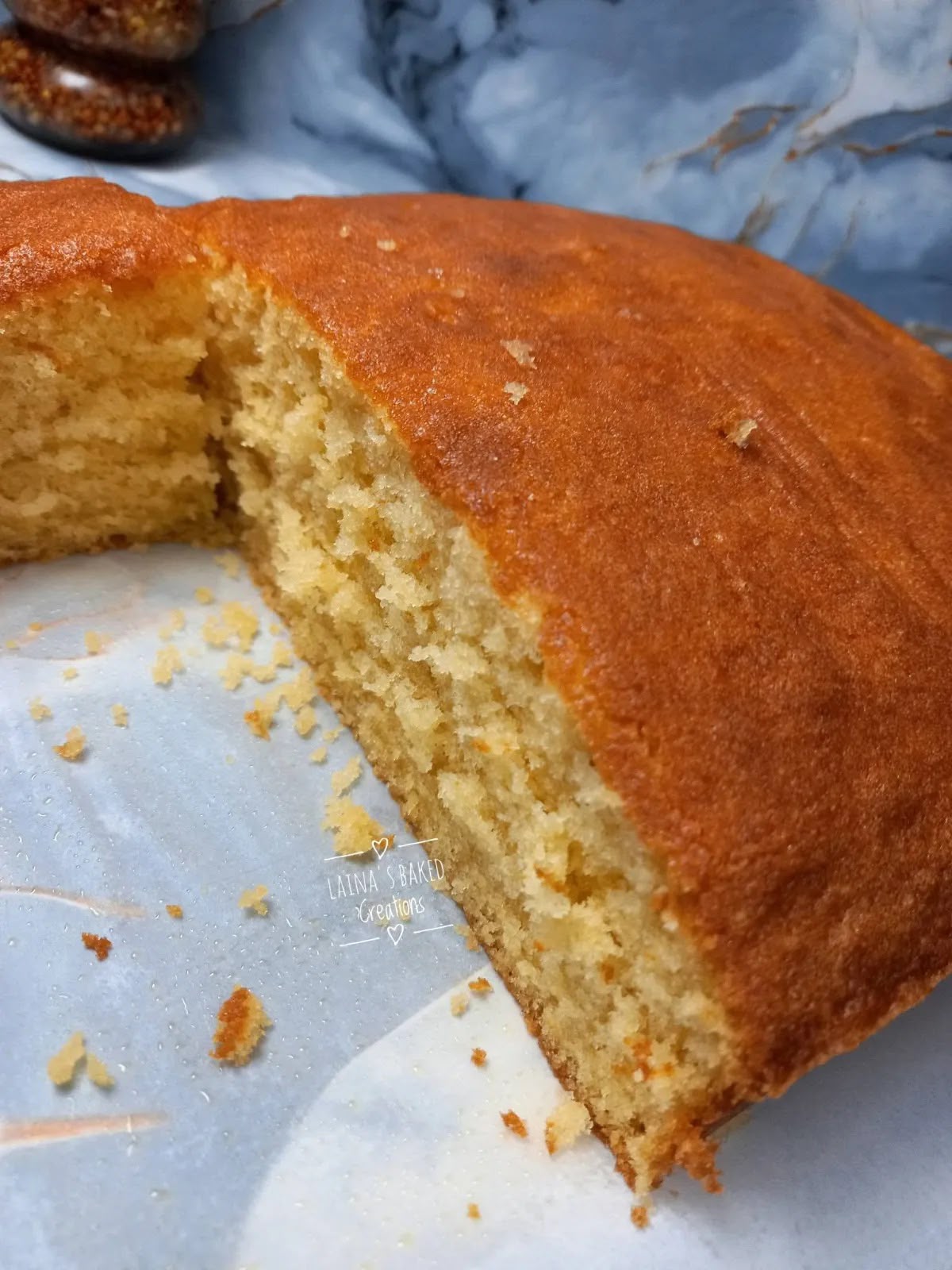
Description
A Classic Sponge Cake is a delicate, airy dessert known for its golden, crisp crust and fine, soft crumb. Unlike heavy butter cakes, traditional sponge cakes rely primarily on whipped eggs to trap air, producing a light, versatile structure that absorbs syrups and complements a wide variety of sweet fillings.
Introduction & Origin
Sponge cake is one of the oldest known leavened cakes in Western baking history. Originating in Renaissance-era Europe—likely evolving from Italian Pan di Spagna and Spanish Bizcocho during the 16th century—it marked a major shift away from dense yeast-leavened fruit cakes toward lighter pastries powered solely by beaten eggs.
Cultural Significance
Sponge cake is a fundamental staple across global baking traditions. In the United Kingdom, it forms the iconic Victoria Sponge filled with jam and cream; in French patisserie, it is known as Genoise; and in Asian bakeries, it is prized for its subtle sweetness and feathery texture. It serves as the master structural base for layered celebration cakes, Swiss rolls, and desserts like trifle and tiramisu.
Ingredients & Quantities
Core Ingredients
- Large Eggs: 4 (room temperature)
- Granulated Sugar: 1 cup (200g)
- All-Purpose Flour or Cake Flour: 1 cup (120g, sifted)
- Unsalted Butter: 2 tbsp (melted and cooled) or 2 tbsp warm milk/water
- Pure Vanilla Extract: 1 tsp
- Baking Powder (Optional): 1/2 tsp (provides an extra rise safety net)
- Salt: 1/4 tsp
Instructions
- Prep Equipment: Preheat your oven to 350°F (180°C). Grease an 8-inch round cake pan, line the bottom with parchment paper, and lightly flour the sides.
- Whip Eggs & Sugar (Ribbon Stage): In a large bowl, beat the eggs, sugar, and salt with an electric hand mixer or stand mixer on high speed for 8 to 10 minutes. The mixture should become pale, thick, and voluminous, falling back into the bowl in thick ribbon-like folds when the beaters are lifted.
- Add Flavoring: Whisk in the vanilla extract on low speed until just incorporated.
- Sift & Fold Flour: Sift half of the flour over the whipped egg mixture. Using a silicone spatula, gently fold using a sweeping motion down through the center, across the bottom, and up the side of the bowl. Sift in the remaining flour and fold until no dry pockets remain.
- Incorporate Fat/Liquid: Mix a small scoop of batter into the melted butter (or warm milk) in a small ramekin to temper it. Gently fold this tempered mixture back into the main batter.
- Bake: Immediately pour the batter into the prepared pan. Bake for 25 to 30 minutes, or until the top springs back when gently pressed and a wooden toothpick inserted into the center comes out clean.
- Cool: Allow the cake to cool in the pan for 10 minutes, then turn it out onto a wire cooling rack to cool completely before slicing or frosting.
Tips for Success
- Achieve the Ribbon Stage: Do not rush beating the eggs and sugar; creating a light, stable foam is essential since it provides the cake’s primary lift.
- Fold Gently: Stirring or beating the flour into the batter will deflate the air bubbles, resulting in a rubbery or dense cake.
- Room Temperature Eggs: Warm eggs whip to a far greater volume than cold eggs straight from the refrigerator.
Optional Additions
- Citrus Flavor: Add 1 teaspoon of freshly grated lemon or orange zest to the egg mixture.
- Simple Syrup Soak: Brush baked, cooled layers with a 1:1 sugar-water syrup infused with lemon, coffee, or liqueur to keep the crumb extra moist.
- Chocolate Sponge: Replace 3 tablespoons of flour with high-quality unsweetened cocoa powder.
Nutritional Information (Per Serving)
(Based on 8 slices, unfrosted)
- Calories: ~160 kcal
- Protein: 4g
- Carbohydrates: 28g
- Fat: 3.5g
- Saturated Fat: 1.5g
- Sodium: 110mg
- Sugar: 16g
Embracing Healthful Indulgence
Sponge cake is naturally lower in calories and fat than most standard cake varieties because it relies on aerated eggs rather than large quantities of creamed butter:
- Reduce Sugar: You can safely reduce the sugar by 15–20% without losing structural integrity.
- Lighter Pairings: Skip heavy buttercream frosting and serve slices with fresh berries and a light dollop of whipped Greek yogurt or whipped cream.
- Gluten-Free Swap: Substitute all-purpose flour with a 1:1 gluten-free baking blend or cornstarch for a naturally light alternative.
Conclusion & Recommendation
The Classic Sponge Cake is a foundational masterpiece of baking—delivering a airy, delicate crumb that forms the ideal canvas for any flavor pairing.
Recommendation: Slice the cooled cake horizontally, layer it with fresh sliced strawberries and whipped cream, and dust the top lightly with powdered sugar for a timeless, elegant dessert.