
Introduction
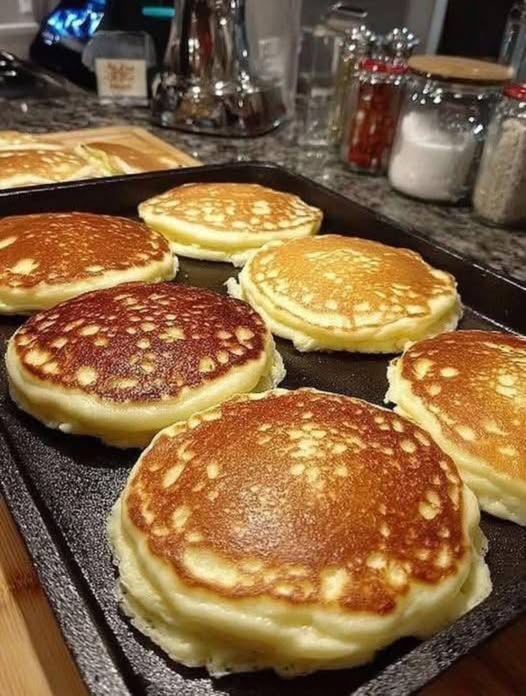
Pancakes are one of the most beloved and versatile breakfast staples across the globe. Characterized by their round shape, tender crumb, and golden-brown surface, these quick breads offer a comforting blend of warmth, sweetness, and fluffiness. Whether stacked high on a weekend morning or served as a late-night treat, pancakes provide a blank canvas for an endless variety of sweet and savory toppings.
Origin and Cultural Significance
The history of pancakes traces back to ancient civilizations, including the Greeks and Romans, who prepared flat cakes called alita dolcia (“another sweet”) using wheat flour, olive oil, honey, and curdled milk. Historically, pancakes served a practical purpose: they were a quick way to utilize perishable ingredients like eggs, milk, and fat before periods of fasting.
This custom gave rise to Shrove Tuesday (commonly known as Pancake Tuesday or Mardi Gras in French-speaking regions), where families cooked batches of pancakes to clear out rich dairy items before Lent. Today, almost every culture features its own variation:
- North America: Thick, fluffy cakes leavened with baking powder or buttermilk, typically topped with maple syrup and butter.
- France (Crêpes): Paper-thin, delicate discs served folded or rolled with sweet fruit preserves, chocolate spread, or savory fillings like cheese and ham.
- Japan (Soufflé Pancakes): Ultra-tall, airy pancakes made by folding whipped egg whites into the batter.
- Eastern Europe (Blinis): Small, yeasted buckwheat pancakes often served with sour cream, caviar, or smoked salmon.
- Korea (Jeon): Savory pancakes packed with scallions, kimchi, or seafood, cooked to a crisp finish.
Description
Classic American-style pancakes are thick yet light, with a pillowy interior and a delicate, golden crust achieved through contact with a hot griddle. When sliced, they reveal a uniform sponge-like structure designed to absorb syrups and sauces without turning overly soggy. The flavor profile is mildly sweet with a gentle hint of buttery richness and a subtle tangy note when prepared with buttermilk.
Ingredients Quantity
This recipe yields approximately 8 to 10 standard 4-inch pancakes (3 to 4 servings).
Dry Ingredients
- All-Purpose Flour: 2 cups (240 g)
- Granulated Sugar: 2 tablespoons (25 g)
- Baking Powder: 2 teaspoons (10 g)
- Baking Soda: 1/2 teaspoon (3 g)
- Fine Sea Salt: 1/2 teaspoon (3 g)
Wet Ingredients
- Buttermilk (or Whole Milk): 1 1/2 cups (360 ml), at room temperature
- Eggs: 2 large, at room temperature
- Unsalted Butter: 1/4 cup (60 g), melted and slightly cooled
- Vanilla Extract: 1 teaspoon (5 ml)
Optional Additions
Customizing pancake batter allows for endless creative variation. Fold in up to 3/4 cup of your preferred mix-ins directly before cooking:
- Sweet Mix-ins: Fresh blueberries, chocolate chips, sliced bananas, chopped walnuts or pecans, diced strawberries, or a dash of cinnamon and nutmeg.
- Flavor Boosters: Lemon or orange zest, almond extract, or a swirl of peanut butter or Nutella added directly onto the pancake while on the griddle.
- Savory Twist: Omit the sugar and vanilla, and fold in cooked bacon bits, shredded cheddar cheese, and finely chopped chives.
Instructions
- Whisk Dry Ingredients: In a large bowl, whisk together the flour, sugar, baking powder, baking soda, and salt until well combined.
- Combine Wet Ingredients: In a separate medium bowl or liquid measuring cup, whisk the buttermilk, eggs, melted butter, and vanilla extract until smooth.
- Mix Batter: Pour the wet ingredients into the dry ingredients. Gently fold with a spatula just until combined. Do not overmix—a few small lumps in the batter are completely normal and desired. Let the batter rest at room temperature for 10 minutes.
- Preheat Griddle: Heat a non-stick skillet or cast-iron griddle over medium-low heat. Lightly grease the surface with a thin layer of butter or neutral cooking oil.
- Pour Batter: Scoop 1/4 cup of batter per pancake onto the hot cooking surface, leaving enough space between them for spreading.
- Cook First Side: Cook for 2 to 3 minutes, or until small bubbles begin to form on the surface and the edges look set and matte.
- Flip and Finish: Carefully flip the pancake with a spatula and cook the second side for an additional 1 to 2 minutes until golden brown and cooked through.
- Serve: Transfer cooked pancakes to a warm plate and repeat with the remaining batter. Serve immediately with warm maple syrup and a pat of butter.
Tips for Success
- Do Not Overmix: Mixing the batter too vigorously develops gluten, resulting in dense, chewy pancakes rather than light, tender ones.
- Rest the Batter: Allowing the batter to sit for 5 to 10 minutes lets the flour hydrate fully and gives the leavening agents time to create tiny air bubbles for maximum lift.
- Control the Heat: Keep the stove on medium-low heat. If the pan is too hot, the exterior will burn before the inside cooks through.
- Flip Only Once: Wait until bubbles burst and leave small holes on top before flipping. Repeatedly flipping or pressing down on pancakes flattens their airy texture.
Nutritional Information
Estimated per serving (2 standard 4-inch plain pancakes, without syrup or extra butter):
| Nutrient | Amount |
|---|---|
| Calories | 240 kcal |
| Total Fat | 8 g |
| Saturated Fat | 4 g |
| Cholesterol | 55 mg |
| Sodium | 420 mg |
| Total Carbohydrates | 35 g |
| Dietary Fiber | 1 g |
| Sugars | 6 g |
| Protein | 7 g |
Embracing Healthful Indulgence
Pancakes can easily fit into a balanced lifestyle with a few simple ingredient swaps:
- Whole Grains: Replace half or all of the white flour with whole wheat flour, oat flour, or buckwheat flour to increase dietary fiber and nutrients.
- Protein Boost: Substitute part of the liquid with Greek yogurt, cottage cheese, or a scoop of unflavored protein powder to make the meal more filling.
- Refined Sugar Alternatives: Sweeten the batter naturally using mashed ripe bananas or pureed applesauce instead of granulated sugar.
- Mindful Toppings: Top your stack with fresh berries, a drizzle of pure maple syrup, seeds (such as chia or hemp), or a light smear of natural nut butter instead of heavily processed syrups and excessive butter.
Conclusion
Pancakes remain an enduring favorite because they effortlessly combine simple kitchen staples into a comforting, customizable dish. Whether prepared traditionally with buttermilk and maple syrup or adapted with nutrient-dense grains and fruits, their versatility makes them suitable for quick weekday meals, casual family breakfasts, or festive brunch gatherings.
Recommendation
For the best results, use fresh leavening agents (baking powder and soda) to ensure maximum height and fluffiness. Pair classic buttermilk pancakes with fresh, seasonal berries and genuine pure maple syrup for a timeless flavor profile. If preparing a large batch for a group, keep cooked pancakes warm in an oven preheated to 200°F (95°C) arranged in a single layer on a baking sheet while finishing the rest of the batter.